Mr. Richard Enfield
Mr. Richard Enfield is a well-known man about town and a distant kinsman of the lawyer Mr. Utterson. Their friendship, which puzzles observers because the two appear to have little in common and often walk for long periods in silence, is one of the most stable relationships in the novel. Enfield is the first character in the story to encounter Edward Hyde, and his account of that meeting sets the entire plot in motion.
Identity and Introduction
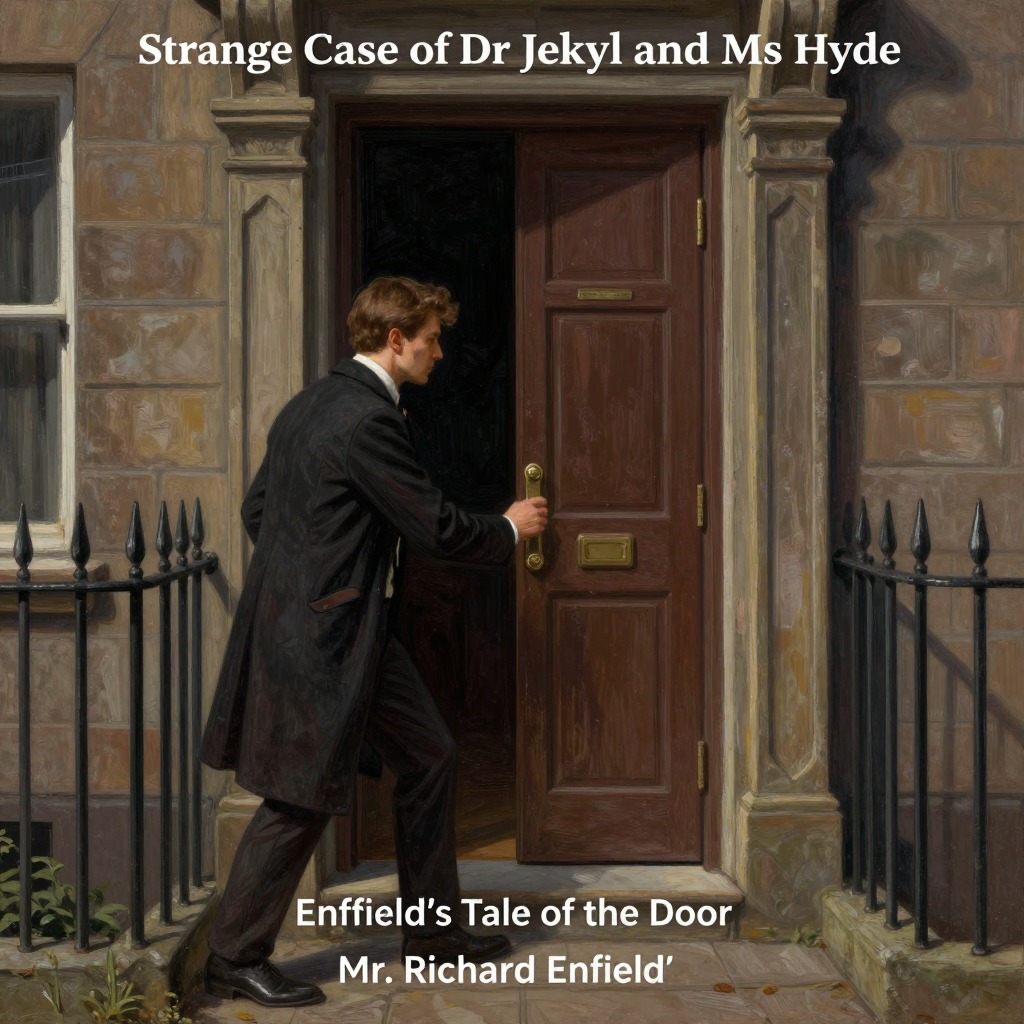
Enfield is introduced as a figure whose connection to Utterson is based not on shared interests or lively conversation but on a mutual, almost ritualistic enjoyment of their Sunday walks. The two men "put the greatest store by these excursions, counted them the chief jewel of each week, and not only set aside occasions of pleasure, but even resisted the calls of business, that they might enjoy them uninterrupted." Enfield is the one who, during one of these rambles, points out a particular door in a by-street and asks Utterson if he has ever remarked it, leading directly to the telling of the "very odd story" that first reveals the existence of Mr. Hyde.
The Encounter with Hyde
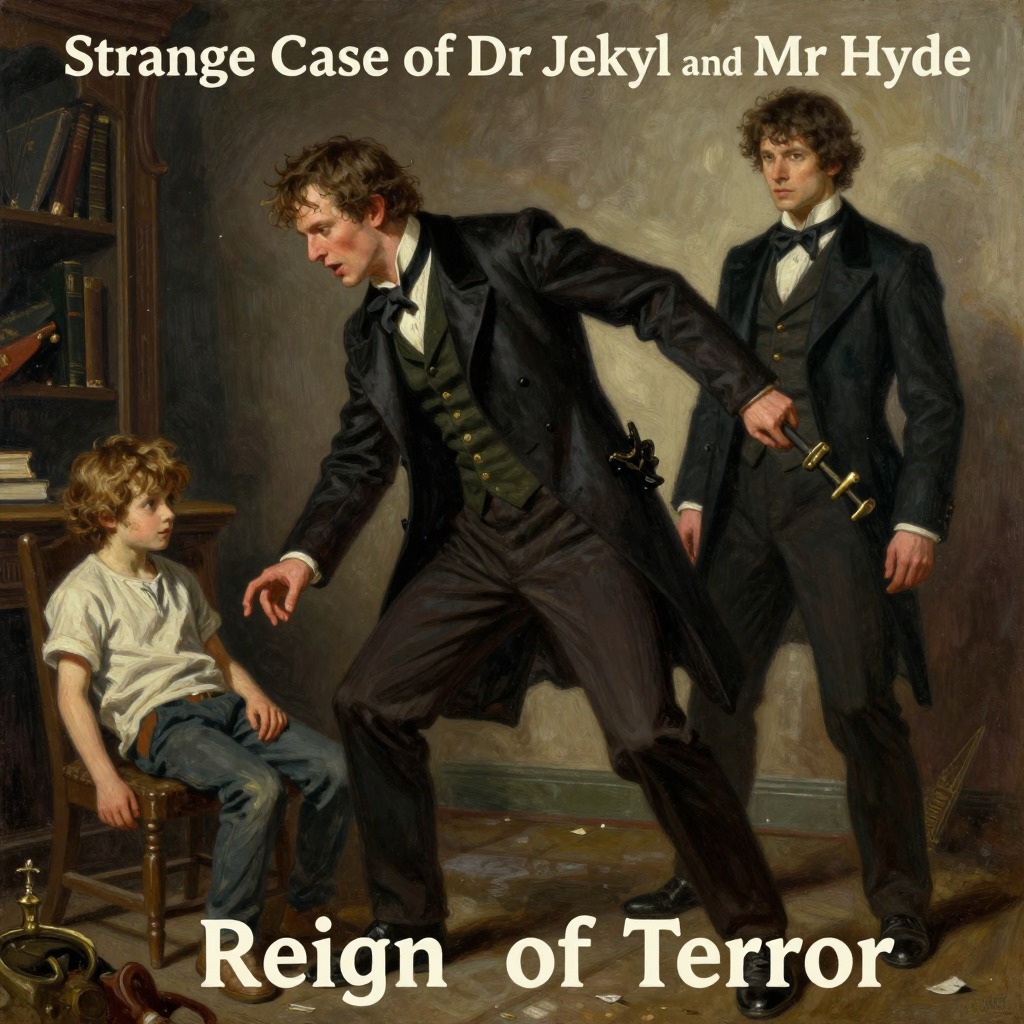
Enfield narrates the incident with a vividness that conveys both his own character and the horror of the event. Coming home at about three o'clock on a black winter morning, he saw a small man and a girl of eight or ten collide at a corner. The man then "trampled calmly over the child's body and left her screaming on the ground." Enfield's reaction is immediate and visceral: he gives a few halloa, takes to his heels, collars the man, and brings him back to the group that has gathered around the screaming child. He describes the man's demeanor as "perfectly cool" and notes that he gave Enfield "one look, so ugly that it brought out the sweat on me like running." Enfield's own loathing is matched by that of the child's family and even the doctor, whom he describes as "the usual cut and dry apothecary, of no particular age and colour, with a strong Edinburgh accent and about as emotional as a bagpipe." The doctor, Enfield observes, was "like the rest of us; every time he looked at my prisoner, I saw that Sawbones turn sick and white with desire to kill him." The group, including Enfield, forces the man to pay a hundred pounds to the child's family, and he leads them to the door in the by-street, produces a key, and returns with a cheque signed with a name Enfield cannot mention but which is "a name at least very well known and often printed." Enfield's suspicion that the cheque might be a forgery is dispelled when he himself presents it at the bank the next day and finds it genuine.
Character and Principles
Enfield's own principles are clearly articulated in his conversation with Utterson. He explains his reluctance to ask questions about the door or its occupant by stating, "I feel very strongly about putting questions; it partakes too much of the style of the day of judgment. You start a question, and it's like starting a stone. You sit quietly on the top of a hill; and away the stone goes, starting others; and presently some bland old bird (the last you would have thought of) is knocked on the head in his own back garden and the family have to change their name." This leads him to his rule: "the more it looks like Queer Street, the less I ask." Utterson approves of this rule, calling it "a very good rule, too." Despite this discretion, Enfield is not without curiosity; he has studied the place for himself, noting that it seems scarcely a house, that nobody goes in or out except the gentleman of his adventure, and that the windows are always shut but clean, and the chimney is generally smoking.
Role in the Plot
Enfield's function in the novel is primarily that of a catalyst. His story provides Utterson with the first concrete information about Hyde, transforming the name on Jekyll's will from an abstract concern into a figure of "detestable attributes." Enfield also appears later in the story, during the "Incident at the Window," when he and Utterson again pass the by-street. He remarks that "that story's at an end at least. We shall never see more of Mr. Hyde." Utterson then reveals that he once saw Hyde and shared Enfield's feeling of repulsion. Enfield admits that he has since discovered that the door is a back way to Dr. Jekyll's, partly due to Utterson's own fault. When they see Jekyll at the window and witness his sudden expression of "abject terror and despair," both men are frozen with horror. They leave the court in silence, and when Utterson says, "God forgive us, God forgive us," Enfield only nods his head very seriously and walks on once more in silence. Enfield's presence in this scene underscores the shared, unspoken dread that the mystery of Jekyll and Hyde inspires in those who come close to it.